What Causes Commercial Garage Door Cable Failure?
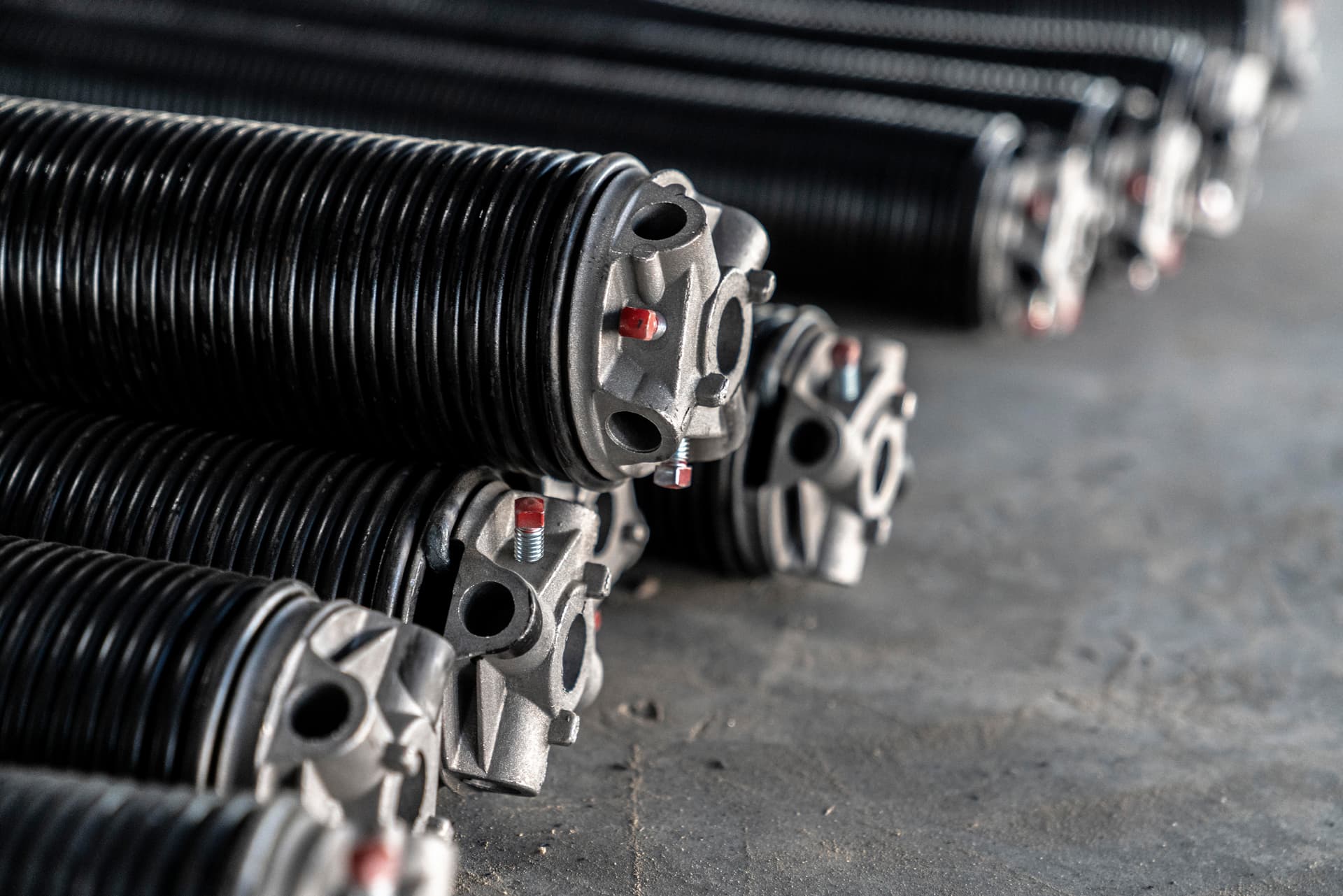
Garage door cables are critical safety components that work alongside springs to control the movement of your commercial door. When cables fail, the consequences can be severe—from a door that won't open to a door that crashes down unexpectedly. Understanding what causes cable failure helps you identify warning signs early and prevent dangerous situations at your facility.
If you're experiencing cable issues now, contact our emergency garage door repair team for immediate assistance.
How Commercial Garage Door Cables Work
Before diving into failure causes, it's important to understand the cable system:
Lift cables attach to the bottom corners of the door and wind around drums at the top as the door opens. Working with torsion springs, they bear the door's weight and control its movement.
Safety cables (on extension spring systems) run through the center of the springs. If a spring breaks, the safety cable prevents it from becoming a projectile.
Commercial doors are significantly heavier than residential doors—often 500 to 2,000+ pounds—putting cables under tremendous stress with every cycle.
Common Causes of Commercial Garage Door Cable Failure
1. Normal Wear and Deterioration
Like all components under constant stress, cables wear out over time.
Contributing factors:
- High cycle counts (busy warehouses may cycle 100+ times daily)
- Continuous tension and flexing weakens cable strands
- Metal fatigue accumulates with each open/close cycle
Expected lifespan: Quality cables typically last 8-15 years under normal commercial use, but high-traffic facilities may see shorter lifespans.
2. Corrosion and Rust
Florida's climate is particularly harsh on metal components.
Environmental factors:
- High humidity accelerates oxidation
- Salt air in coastal areas corrodes cables faster
- Temperature fluctuations cause condensation
- Chemical exposure in industrial environments
What happens: Rust weakens individual cable strands, reducing overall strength until the cable can no longer support the door's weight.
3. Improper Cable Tension
Cables must maintain proper tension to function correctly.
Too loose:
- Cables can slip off drums
- Door may operate unevenly
- Cables can become tangled or kinked
Too tight:
- Excessive stress on cable strands
- Premature wear and stretching
- Increased load on drums and bearings
Tension issues often occur after spring replacement if cables aren't properly adjusted.
4. Broken or Worn Springs
Springs and cables work as a system. When springs fail or weaken, cables suffer.
The connection:
- Worn springs can't counterbalance the door's weight properly
- Cables compensate by bearing more load than designed
- This accelerated stress leads to premature cable failure
This is why we recommend inspecting cables whenever replacing garage door springs.
5. Misaligned Tracks or Hardware
When door components are out of alignment, cables experience uneven stress.
Alignment issues include:
- Bent or damaged tracks
- Loose mounting brackets
- Worn rollers causing the door to bind
- Damaged drums or cable guides
Result: Cables may fray where they contact misaligned components, or bear uneven loads that weaken specific sections.
6. Physical Damage
Direct damage to cables compromises their integrity.
Common causes:
- Forklift or vehicle impact
- Falling objects striking cables
- Improper DIY repair attempts
- Debris caught in the cable system
Even minor nicks or kinks can create weak points that eventually fail under load.
7. Poor Quality or Incorrect Cables
Not all cables are created equal.
Quality issues:
- Inferior materials that corrode or stretch quickly
- Cables not rated for the door's weight
- Incorrect cable diameter for the application
- Substandard installation practices
Commercial doors require aircraft-grade galvanized cables rated for the specific door weight and cycle requirements.
8. Lack of Maintenance
Regular maintenance extends cable life significantly.
Neglected maintenance leads to:
- Undetected wear progressing to failure
- Rust and corrosion going unchecked
- Minor issues becoming major problems
- Shortened component lifespan across the system
Our Planned Maintenance Program includes cable inspection and lubrication to catch issues early.
Warning Signs of Cable Problems
Watch for these indicators that your cables need attention:
Visual Signs
- Fraying or visible strand damage - Individual wires separating from the cable
- Rust or discoloration - Brown or orange coloring indicates corrosion
- Kinks or bends - Cables should be smooth, not kinked
- Loose or slack cables - Cables hanging loosely when door is closed
- Cable off the drum - Cable has unwound from the drum assembly
Operational Signs
- Door hangs crooked - One side higher than the other
- Jerky or uneven movement - Door doesn't travel smoothly
- Grinding or scraping sounds - Cable rubbing against components
- Door won't stay open - May indicate cable or spring issues
- Gap at bottom of door - Door doesn't close evenly
Emergency Signs - Stop Using Door Immediately
- Snapped cable - Visible broken cable
- Door crashed down - Cable failure already occurred
- Loud bang or snap sound - Component failure
- Door feels extremely heavy - Cable or spring has failed
The Dangers of Cable Failure
Cable failure isn't just an inconvenience—it's a serious safety hazard.
Immediate Dangers
- Falling door - A door without cable support can crash down with tremendous force
- Crushing hazard - Employees, equipment, or inventory under the door
- Entrapment - People or vehicles trapped when door fails
- Flying debris - Broken cables can whip and cause injury
Secondary Risks
- Security breach - Door stuck open leaves facility vulnerable
- Climate control loss - Open doors affect temperature-sensitive inventory
- Operational shutdown - Blocked loading docks halt shipping/receiving
- Additional damage - Failed cables can damage tracks, panels, and openers
Why Cable Repair Requires Professional Service
Never attempt to repair or replace garage door cables yourself.
Here's why:
- Extreme tension - Cables are under hundreds of pounds of tension
- Specialized tools - Proper cable replacement requires specific equipment
- Spring interaction - Cables must be adjusted in conjunction with springs
- Safety protocols - Professionals follow procedures to prevent injury
- Proper sizing - Cables must be correctly rated for your door
Improper cable work can result in serious injury or death. Always call a professional.
Preventing Cable Failure
Take these steps to maximize cable lifespan:
Regular Inspections
- Monthly visual checks for fraying, rust, or damage
- Annual professional inspections
- Immediate inspection after any impact or unusual operation
Proper Maintenance
- Keep cables lubricated (use garage door lubricant, not WD-40)
- Address spring issues promptly
- Maintain proper track alignment
- Clean debris from cable path
Environmental Protection
- Consider coated cables in corrosive environments
- Ensure adequate drainage around door openings
- Address humidity issues in the facility
Timely Repairs
- Don't ignore warning signs
- Replace cables before complete failure
- Address related component issues simultaneously
When to Replace Cables
Consider proactive cable replacement when:
- Cables show visible wear or fraying
- Rust is present on more than 10% of the cable
- Cables are over 10 years old in high-use facilities
- You're replacing springs (cables often need replacement too)
- You've had repeated cable-related issues
Professional Cable Repair Services
At Paratec Door Solutions, we provide comprehensive cable services:
- Emergency cable repair - 24/7 response for failed cables
- Cable replacement - Quality aircraft-grade cables sized for your door
- System inspection - Evaluate springs, drums, and related components
- Preventive maintenance - Regular inspections to catch wear early
We stock common commercial cable sizes for same-day repairs across Florida.
Conclusion
Commercial garage door cable failure is preventable with proper maintenance and timely repairs. Understanding the causes—from normal wear to environmental factors—helps you identify warning signs before a dangerous failure occurs.
Don't wait for a cable to snap. If you notice any warning signs or it's been more than a year since your last professional inspection, schedule service today.
Need cable repair or inspection? Contact Paratec for expert commercial garage door cable services throughout Florida. Our technicians respond quickly to get your facility back to safe, reliable operation.